“manpower shortage” search results (2200)
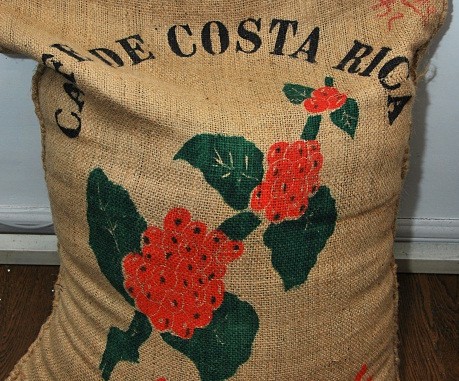
Boutique Coffee Estate Introduction: Costa Rica Coffee Estate La Minita
Name: La Minita, Costa Rica Background: La Minita Estate carefully and responsibly grows and selects coffee for its customers. From a total of 832,000 pounds of green beans, it selects 210,000 pounds of the best quality coffee beans for consumers, which means that La Minita only selects about 25% of the green coffee beans in the process.
2015-12-21 Boutique Coffee Manor Presentation Costa Dari Rami Nita Minita
Shanghai Cafe recommends Lumazi Coffee made by Japanese
Lumaz] the husband and wife shops of Japanese husbands and Chinese wives have requirements on the quality and brewing methods of coffee. The environment is good and the store is small, so it is suitable for taking a rest and drinking coffee.
2016-05-19 Shanghai Cafe recommendation Maze Coffee Japan Manpower husband
Ethiopia Sidamo Guji Shakisso Blueberry Wine
Shakisso, located in Guji, south of Oromia region, next to Sidama and Gedeo. There are many mines in this area, which were used for gold mining in the early days, so there are many potholes in this coffee-growing area. This makes it dangerous to walk between coffee-growing areas. Xiachisuo is a single grid of Guji/Sidamori trees
2016-06-29 Ethiopia Dharma Sidamo Guji Shaqisuo Sh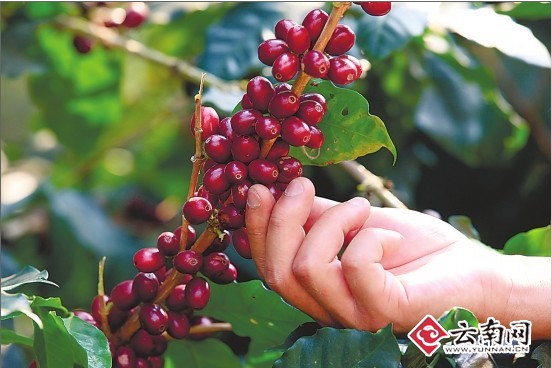
Ethiopian sun in Sidamo Sidamo Guji Shaquiso African flavor
Shakisso is located in the southern part of Guji and Oromia, adjacent to Sidama and Gedeo. There are many pits in this area, which were used to mine gold in the early days, so there are many potholes in this coffee growing area. This makes people dangerous when walking between coffee growing areas. Shaquiso is unique to Gucci / Sidamori.
2016-07-19 Ethiopia Sun Dharma Sidamo Guji Shakiso
Introduction to boutique coffee-- Costa Rican Coffee Gala Minita
Product name: La Minita, Costa Rica background: La minita Manor plants and selects coffee for its customers in a careful and responsible spirit. After screening and elimination from a total of 832000 pounds of raw beans, it finally selects 210000 pounds of the best quality coffee beans for consumers, which means that La minita only selects about 25% of the raw coffee beans in the process.
2016-03-28 Boutique Coffee introduction Goss Dali Lamy Nita Costa Rica characteristics
Coffee Culture Common sense Romantic French Coffee Culture
At one point, more and more people took a nap in France because of a shortage of coffee. It seems to be an exaggeration, but coffee culture has taken root in France, and the French love for coffee is true. When the Gulf War broke out in 1991, France was also one of the countries participating in the war. some ordinary people in China worried that the war would affect the supply of daily necessities and rushed to supermarkets to buy them. This matter
2015-02-11 Coffee culture common sense romance France once because of coffee shortage
Shakiso Shakisso Manor Sidamo Guji producing area, Sidamo, Ethiopia
Shakisso is located in the southern part of Guji and Oromia, adjacent to Sidama and Gedeo. There are many pits in this area, which were used to mine gold in the early days, so there are many potholes in this coffee growing area. This makes people dangerous when walking between coffee growing areas. Shaquiso is unique to Gucci / Sidamori.
2016-07-07 Shaquiso Shakisso Manor Ethiopia Dharma Sidam
Ethiopian Sidamo African boutique coffee
The coffee flavor of Sidamo is very diverse, because of the different soil composition, regional microclimate and countless native coffee varieties, the coffee produced in each urban area has obvious differences and characteristics. Sidamo producing area (Sidama) is located in the south of Ethiopia. The industry here is mainly agricultural, and the coffee growing area is located around the Great Rift Valley (Great Rift Valley) of East Africa.
2016-05-30 Ethiopia Dharma Africa boutique coffee flavor very
Talk about East Timor hidden world beautiful coffee beans.
There is really such a peach source in the world, with first-class coffee beans on the trees, top salt in the lakes and excellent honey in the nests. It is blessed that all of them can be sold for a lot of money, and the land and rivers are not polluted. But here is extremely poor and backward, and other countries do not seem to have much interest in this Taoyuan, perhaps not figuring out how to climb mountains and wade away resources at a low cost, or the woods here.
2014-06-28 It is said that the East Timor the hidden world coffee beans the world so a Taoyuan there is flow.
Development status of Mocha Coffee in Yemen
(1) the total output has continued to decline in recent years since 2001, and Yemeni coffee production has declined year by year due to various reasons. The annual output has dropped from 11906 tons in 2001 to 11608 tons in 2003, 11590 tons in 2004, to about 11000 tons in 2008. In recent years, despite the rising prices in the international coffee market, the coffee industry in Yemen has not boomed with it, but sharply.
2016-06-07 Yemen Mocha coffee development status in recent years total output sustained declining 20
Sidamo, Ethiopia Sidamo Guji Shakiso Shakisso sun
The coffee flavor of Sidamo is very diverse, because of the different soil composition, regional microclimate and countless native coffee varieties, the coffee produced in each urban area has obvious differences and characteristics. Sidamo producing area (Sidama) is located in the south of Ethiopia. The industry here is mainly agricultural, and the coffee growing area is located around the Great Rift Valley (Great Rift Valley) of East Africa.
2016-05-14 Ethiopia Dharma Sidamo Guji Shakiso Sh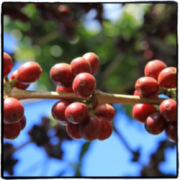
African coffee beans from Sidamo sidamo Shakiso shakisso region
The coffee flavor of Sidamo is very diverse, because of the different soil composition, regional microclimate and countless native coffee varieties, the coffee produced in each urban area has obvious differences and characteristics. Sidamo producing area (Sidama) is located in the south of Ethiopia. The industry here is mainly agricultural, and the coffee growing area is located around the Great Rift Valley (Great Rift Valley) of East Africa.
2016-07-08 Dharma sidamo Shaquiso shakisso producing area Africa coffee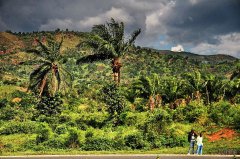
Ethiopia Sidamo Sidamo Guji Shakiso coffee bean agent
The coffee flavor of Sidamo is very diverse, because of the different soil composition, regional microclimate and countless native coffee varieties, the coffee produced in each urban area has obvious differences and characteristics. Sidamo producing area (Sidama) is located in the south of Ethiopia. The industry here is mainly agricultural, and the coffee growing area is located around the Great Rift Valley (Great Rift Valley) of East Africa.
2016-06-16 Ethiopia Dharma Sidamo Gucci Guji Shaquiso Coffee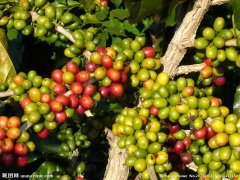
Blueberry wine flavor Ethiopia Sidamo Sidamo Guji Shakiso Shakisso
The main coffee producing countries in Africa are Kenya, Ethiopia, Angola, Tanzania, Zambia, Zimbabwe and so on. Kenya grows high-quality Arabica coffee beans, which absorb almost the essence of coffee cherries, with a slightly sour, thick aroma, and are very popular among Europeans, especially in Britain. Kenyan Coffee surpasses Costa Rica.
2016-07-05 Blueberries grapes wine flavor Ethiopia Dharma Sidamo Gucci
Common sense of coffee beans processing methods of high-quality coffee beans
1. Peeling removes the peel and most of the flesh by mechanical or manual means. two。 Fermentation removes the mucus and film from the core by fermentation. as the length of fermentation time will affect the flavor of coffee, each manufacturer has its own fermentation time. 3. The drying method is mainly divided into natural sun drying and natural air drying. Excessive water content can easily lead to mildew and insect growth of raw coffee beans.
2014-12-30 Coffee beans common sense boutique processing methods processes peeling utilization machinery manpower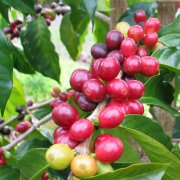
Boutique coffee Ethiopia Sidamo Sidamo Guji Shakiso Shakisso sun
The coffee flavor of Sidamo is very diverse, because of the different soil composition, regional microclimate and countless native coffee varieties, the coffee produced in each urban area has obvious differences and characteristics. Sidamo producing area (Sidama) is located in the south of Ethiopia. The industry here is mainly agricultural, and the coffee growing area is located around the Great Rift Valley (Great Rift Valley) of East Africa.
2016-05-18 Boutique Coffee Ethiopia Dharma Sidamo Gucci Guji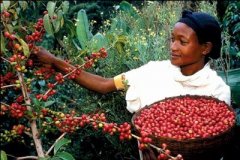
Ethiopian Coffee Sidamo Sidamo Guji Shakiso Shakisso Manor Day
The coffee flavor of Sidamo is very diverse, because of the different soil composition, regional microclimate and countless native coffee varieties, the coffee produced in each urban area has obvious differences and characteristics. Sidamo producing area (Sidama) is located in the south of Ethiopia. The industry here is mainly agricultural, and the coffee growing area is located around the Great Rift Valley (Great Rift Valley) of East Africa.
2016-07-05 Ethiopia Coffee Flavor Dharma Sidamo Gucci Guji
The general knowledge of fine coffee explains the types of coffee.
Today, there are two main types of coffee grown most widely in the world: Arabica beans (Coffee Arabica) and Robota beans (Coffee Robusta). Arabica Arabica Robusta Robusta is mainly produced in tropical Central and South America, accounting for 3/4 of the world's output. It is produced in Madagascar in central, western and eastern Africa, and Indonesia in Asia.
2014-11-11 Coffee knowledge boutique coffee coffee common sense coffee types
Boutique Coffee Science explains the types of coffee in detail
The most widely grown coffee in the world is mainly Arabica beans (Coffee Arabica) and Robota beans (Coffee Robusta). Arabica Arabica is mainly produced in tropical Central and South America, accounting for 3/4 of the world's output. It is planted on alpine slopes at an altitude of 9002000 meters. Growing in areas ranging from 15 to 20C, Arabica needs high artificial density care, rich taste and disease tolerance.
2014-10-18 Coffee knowledge boutique coffee science coffee types
Brazilian Coffee processing Panamanian Manor Coffee beans
When the coffee berries are ripe, they are usually harvested by manual picking. In some places, only the fully ripe berries are picked, while others are all picked from a single branch. The former is called handpicked and the latter is called strip-picking. Because the ripening time of coffee berries is not consistent, the harvest is likely to be divided into several stages.
2016-06-07 Brazil coffee processing process Panama manor coffee beans berries Cheng